
AI Skin Simulation: Preview Tone, Radiance and Coverage Before Buying
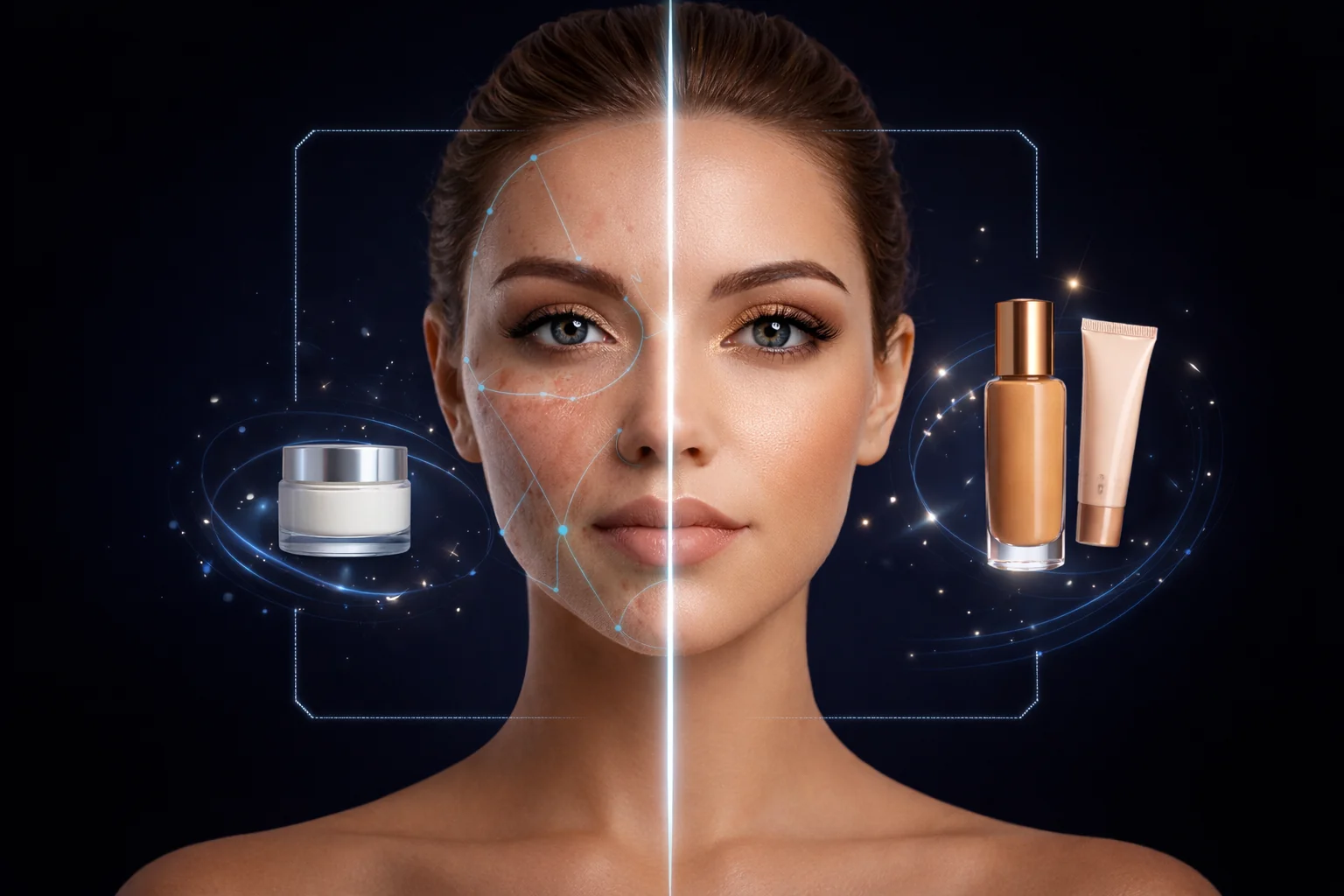
Skin Simulation from Novagates is AI skin simulation technology that bridges AI detection with AR visualization. Shoppers see a lifelike preview of changes in skin tone, radiance and coverage on their own face, in real time, before they apply anything. It gives your store a clearer way to show how a skincare or cosmetic product may look on the skin.
What Is AI Skin Simulation?
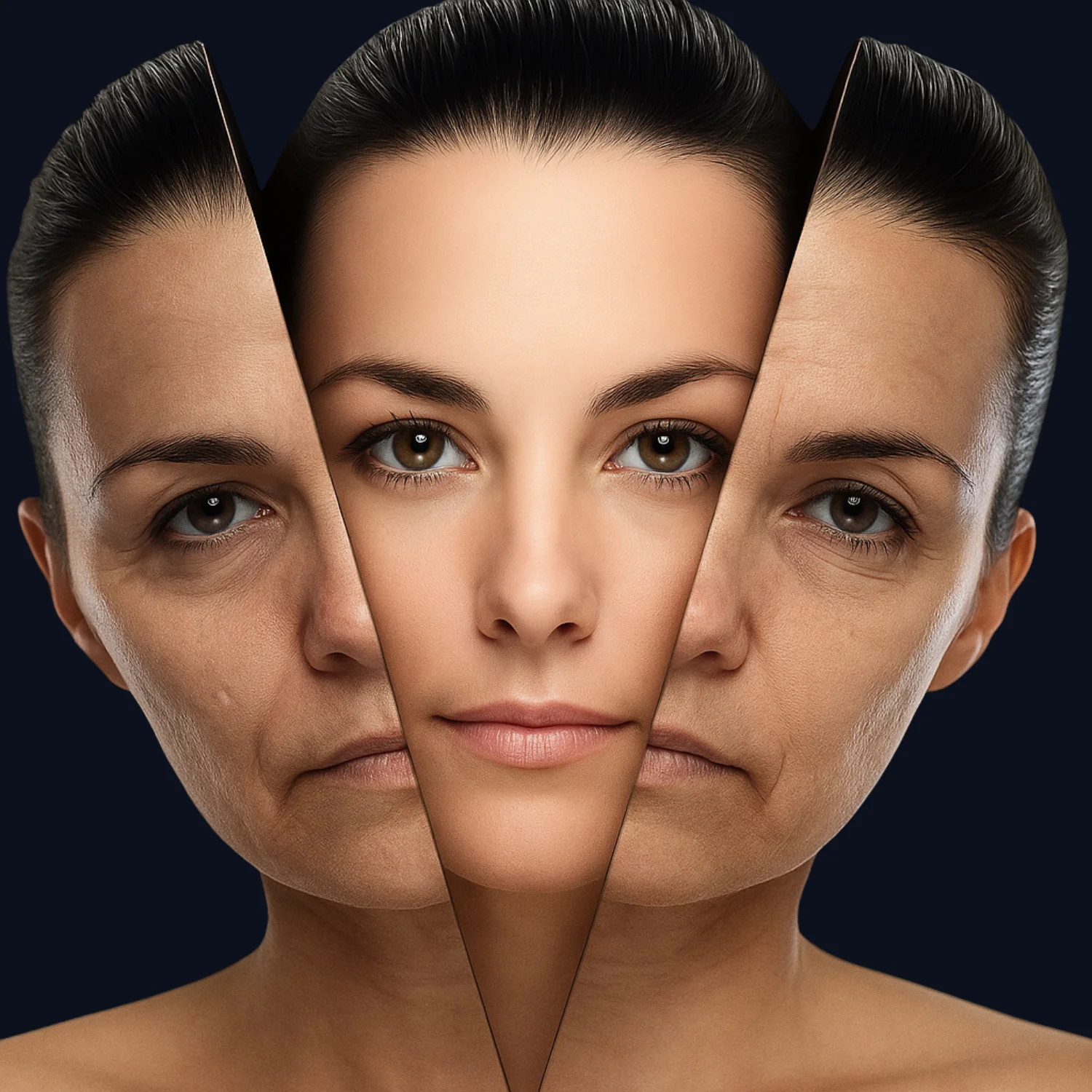
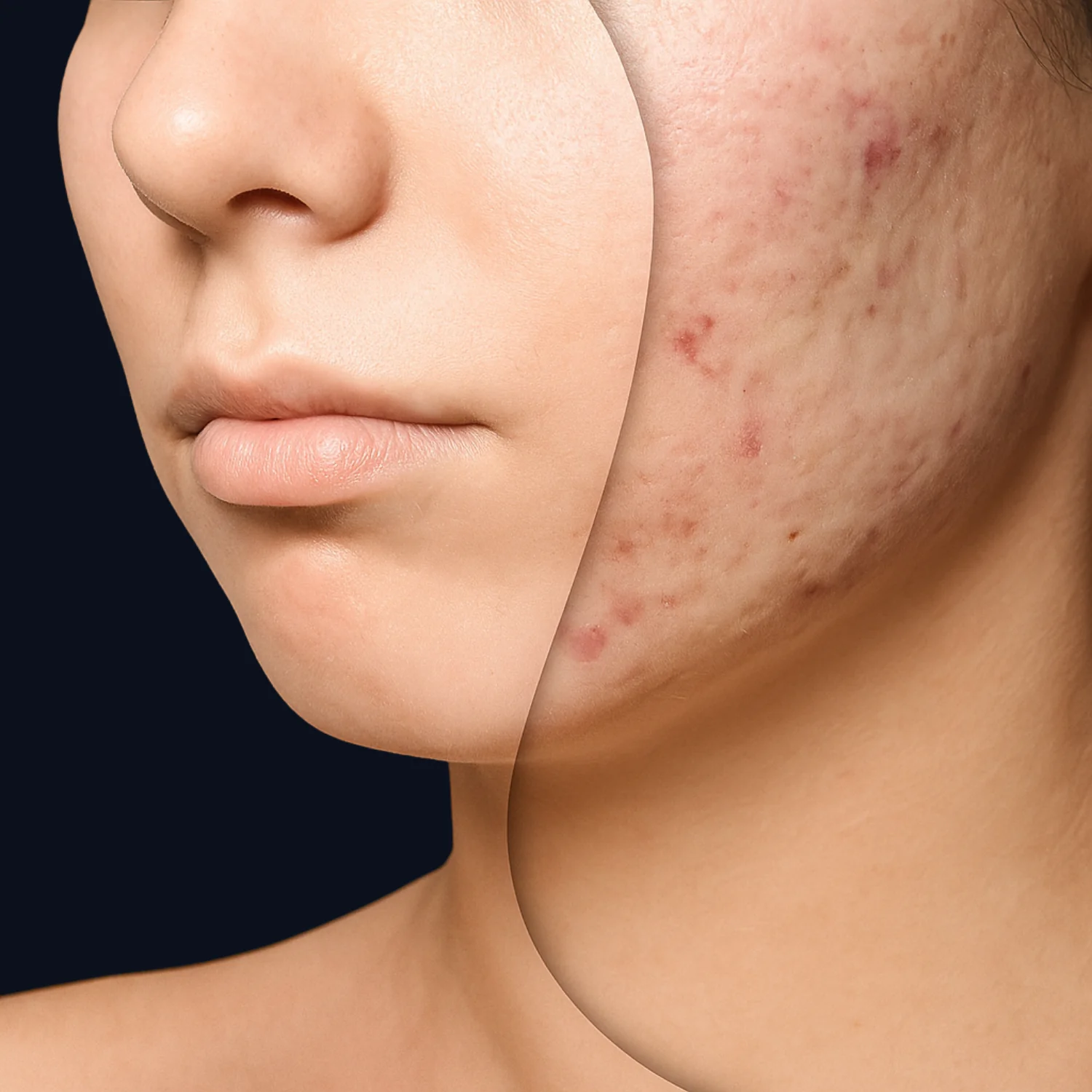
AI skin simulation is a technology that uses artificial intelligence and augmented reality to preview how skincare or cosmetic products may change the look of a person's skin, on their own face and in real time. It detects the face, skin and lighting, then overlays a realistic simulation of changes in tone, radiance and coverage, so shoppers can explore a product before they apply it. Skin Simulation is the Novagates skin simulation software for beauty brands and online stores. It runs on a phone or a computer camera, and it turns a product page from a description into a visual experience. It is a visual preview, not a promise of results.
How AI Skin Simulation Works
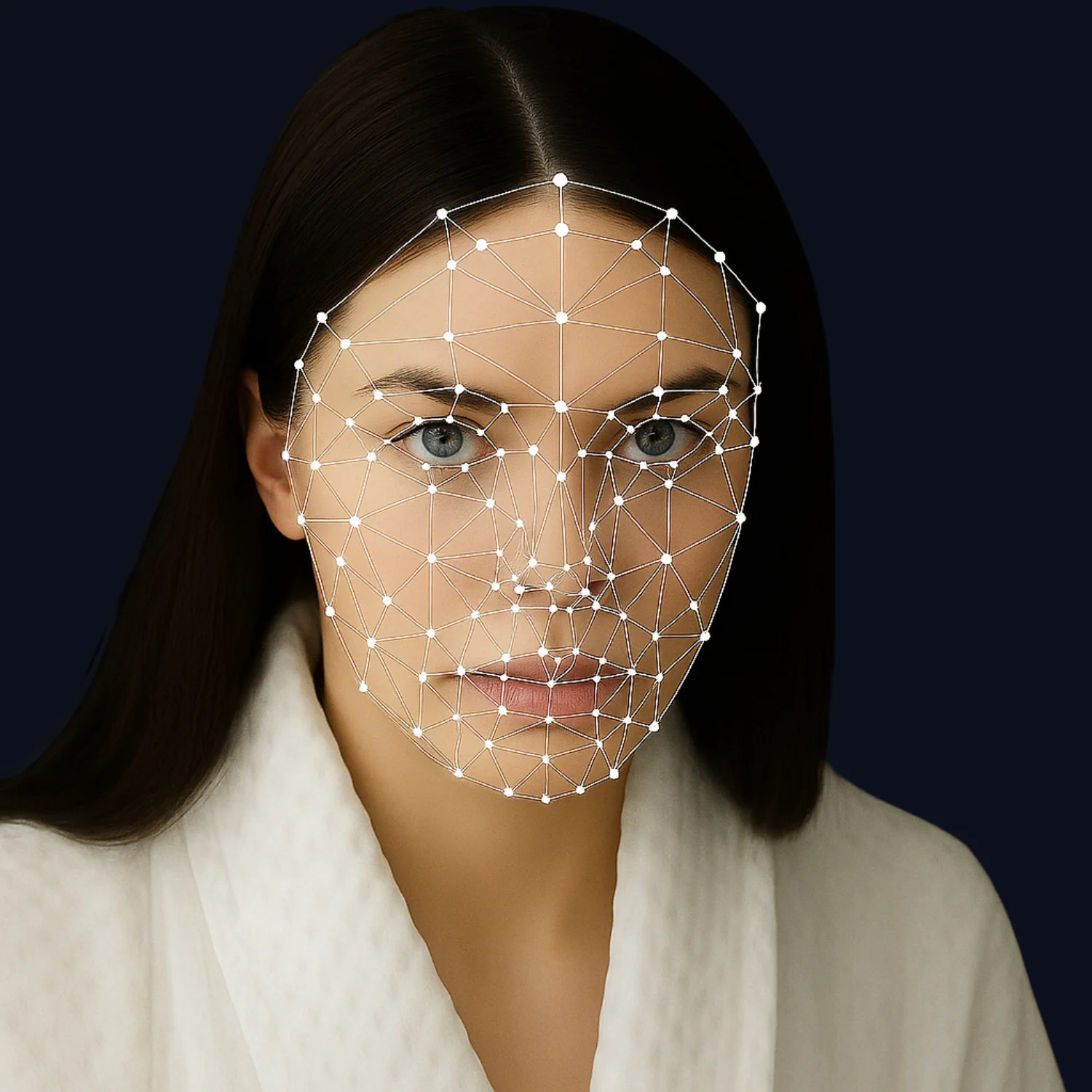
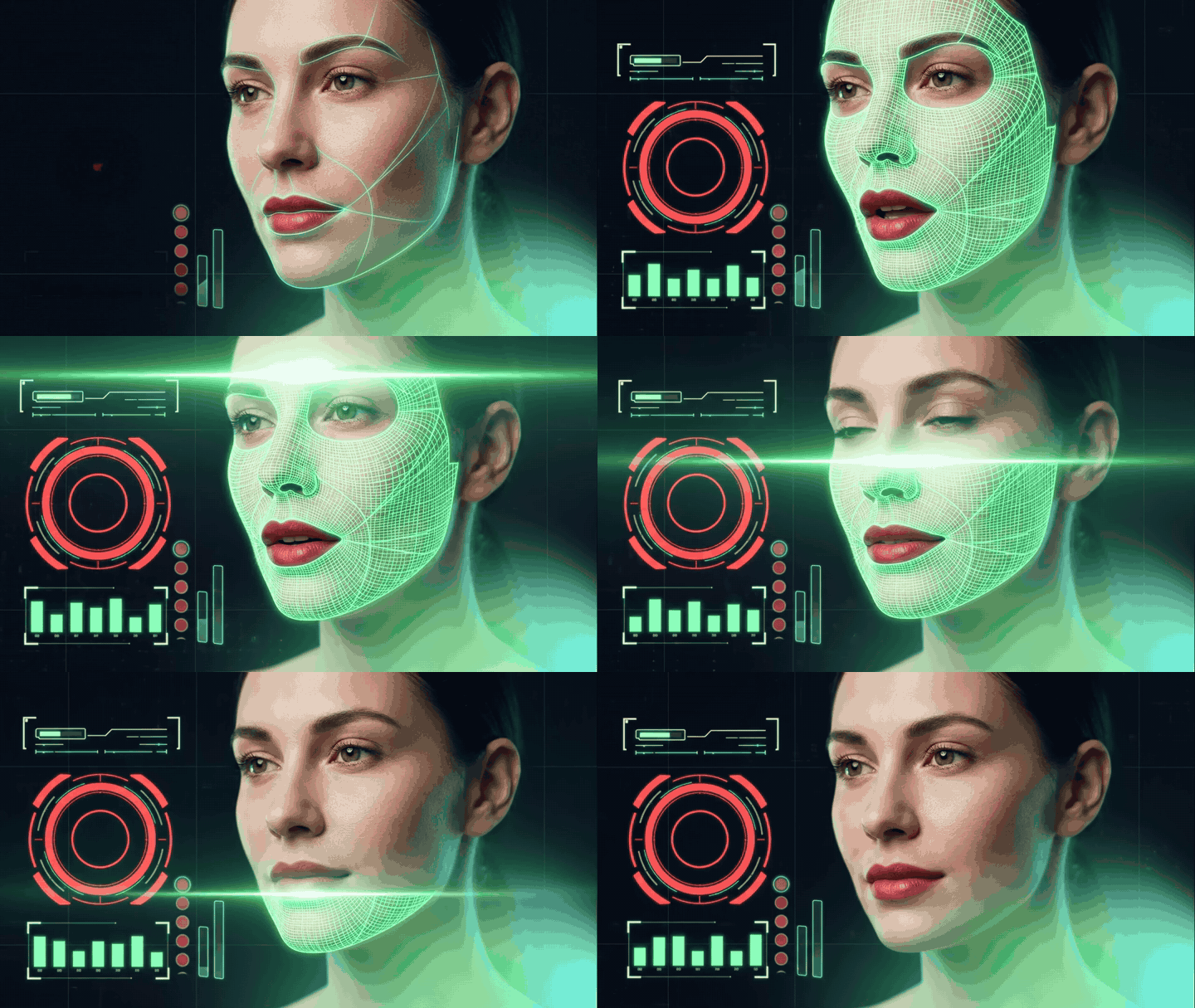
AI Skin Detection
AI-powered analysis scans the user's facial structure, skin type and lighting conditions, so the simulation starts from the shopper's real skin rather than from a generic face.
Smart Mapping
The system maps where and how a product should be applied on the face, which keeps the simulation personalized and natural-looking for each individual.
AR Masking
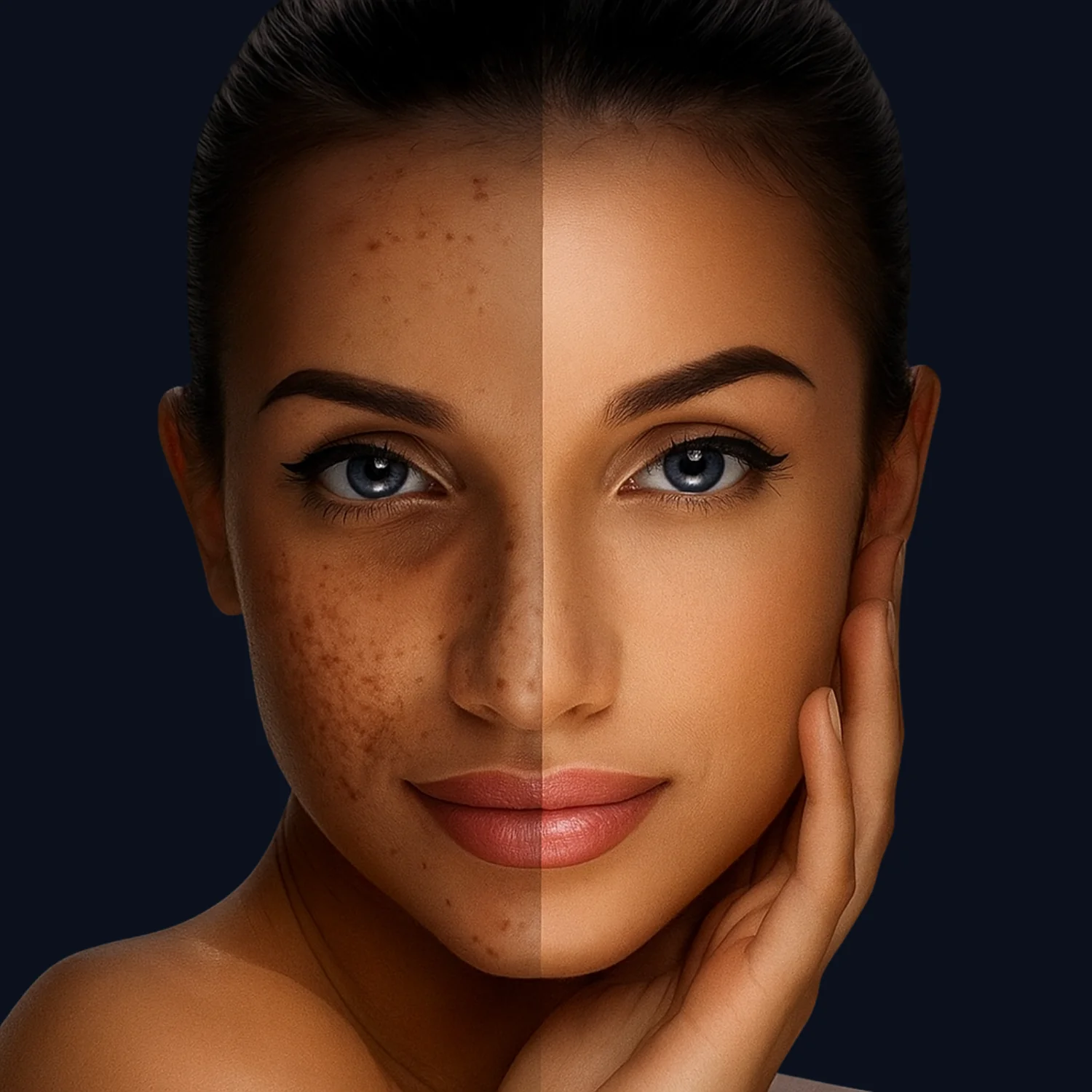
AR masking overlays the product digitally on the skin in a smooth, responsive way. It follows the face as it moves, so the preview stays in place through turns and changes of expression.
Real-Time Preview
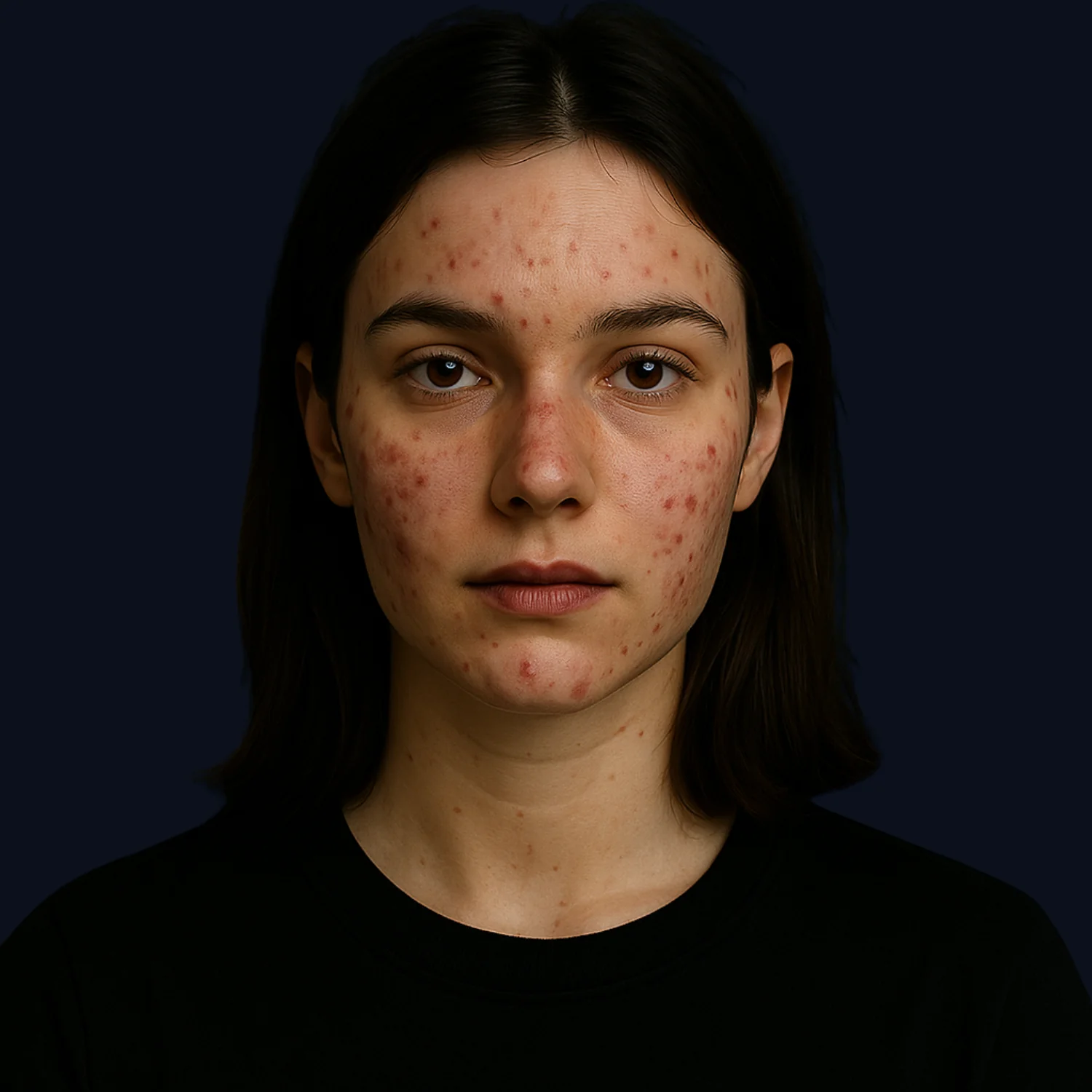
Changes in tone, radiance and coverage appear instantly on the live camera view. Shoppers can explore the effect immediately, without applying anything.
AI Detection
Smart Mapping
AR Masking
Seamless Overlay
Real-Time Preview
Instant Results
Benefits of AI Skin Simulation for Beauty Brands and Retailers
For a brand, the value of AI skin simulation is what happens on the product page. Each benefit connects to a step in the path from visitor to buyer.
Higher Conversion Potential:
Shoppers who can see a product on their own skin build purchase confidence on the spot, which supports higher add-to-cart rates and completed sales.
Stronger Engagement:
An interactive preview keeps visitors on the page longer and encourages them to explore more products.
Clearer Product Communication:
Skincare is hard to show with static images. Skincare product visualization lets you show the look of an effect instead of describing it, which answers shoppers' questions on the page itself.
Insight Into What Shoppers Explore:
Usage data shows which products and effects shoppers try most. Track product-page engagement, add-to-cart rate for simulation users vs non-users, exit rate, and checkout completion rate.
The clearest way to see the effect is to test it on your own store. Show the simulation to half of your visitors on one product range for four to six weeks, and compare the two groups on conversion rate.
How AI Skin Simulation Improves the Shopping Experience
Online beauty shoppers want to feel sure before they buy, and with skincare it is hard to be sure from a photo. Real-time skin simulation makes the experience more personal and visual in three ways.
Seeing Before Applying:
Shoppers explore how a product may look on their own skin before they apply anything, which makes trying something new feel lower-risk.
Personalized to Each Face:
Because the simulation starts from the shopper's own face, skin and lighting, each person sees a preview that is relevant to them.
Smooth and Immersive:
AR masking follows the face as it moves, so the experience feels like looking in a mirror, not at a static image.
The result is a more confident path from discovery to checkout. Skin Simulation also sits next to the other Novagates skin tools. Combined with Skin Tone Finder, Skin Care Analysis or makeup virtual try-on, it can lead shoppers from a skin assessment to a product recommendation to a visual preview.
AI Skin Simulation SDK and API Integration
Designed for developers and enterprise brands, Skin Simulation integrates seamlessly into your existing website or app.
- 01
Cross-Platform Support:
Built for high performance across web and mobile platforms.
- 02
Flexible SDK and API Options:
Choose the integration method that fits your tech stack, with comprehensive documentation available in the Developer Portal.
- 03
Lightweight Performance:
Designed for fast load times, ensuring the simulation stays smooth without slowing down your site.
- 04
Customizable UI:
Align the interface seamlessly with your brand's look, feel, and design guidelines.
Frequently Asked Questions (FAQ)
What is the difference between skin simulation and virtual makeup try-on?
Virtual makeup try-on places colored products, such as lipstick, eyeshadow and blush, on the face. Skin simulation previews changes to the skin itself, such as tone, radiance and coverage, so it suits skincare and complexion products. The two use related AI and AR technology and work well together.
Can skin simulation preview changes in skin tone and radiance?
Yes. Skin Simulation lets shoppers see changes in skin tone, radiance and coverage in real time on their own face. The preview shows how an effect may look. It is a visual simulation, not a guarantee of results.
Can customers visualize cosmetic coverage before purchasing?
Yes. Shoppers can preview coverage on their own skin before they buy, which helps them judge how a product may look. How closely a preview matches real life depends on the product, the lighting and the way it is applied.
How does AR masking adapt to facial movements?
AR masking overlays the product on the skin and follows the face as it moves, so the preview stays in place when the customer turns, tilts or changes expression. This keeps the simulation smooth and natural-looking while they interact with it.
Can skin simulation be used for skincare and makeup products?
Yes. Skin Simulation is designed to visualize how both skincare and cosmetic products may change the look of the skin.
How can skin simulation improve the online beauty shopping experience?
Skin simulation gives shoppers something an online store rarely offers: a preview on their own skin. It replaces guesswork with a visual reference, keeps shoppers exploring on the page, and supports a more confident decision at checkout.
Can beauty brands integrate skin simulation into their e-commerce websites?
Yes. Brands embed Skin Simulation in their website or app through the Novagates SDK and API, without rebuilding the store. Developers can find documentation in the Developer Portal.
Does virtual skin simulation guarantee the actual results of a product?
No. Skin simulation is a visual preview that helps shoppers imagine how a product may look on their skin. It does not predict or guarantee actual results, which depend on the product, the skin type, how it is applied and how consistently it is used. Brands should present it as an illustration, not as a promise.